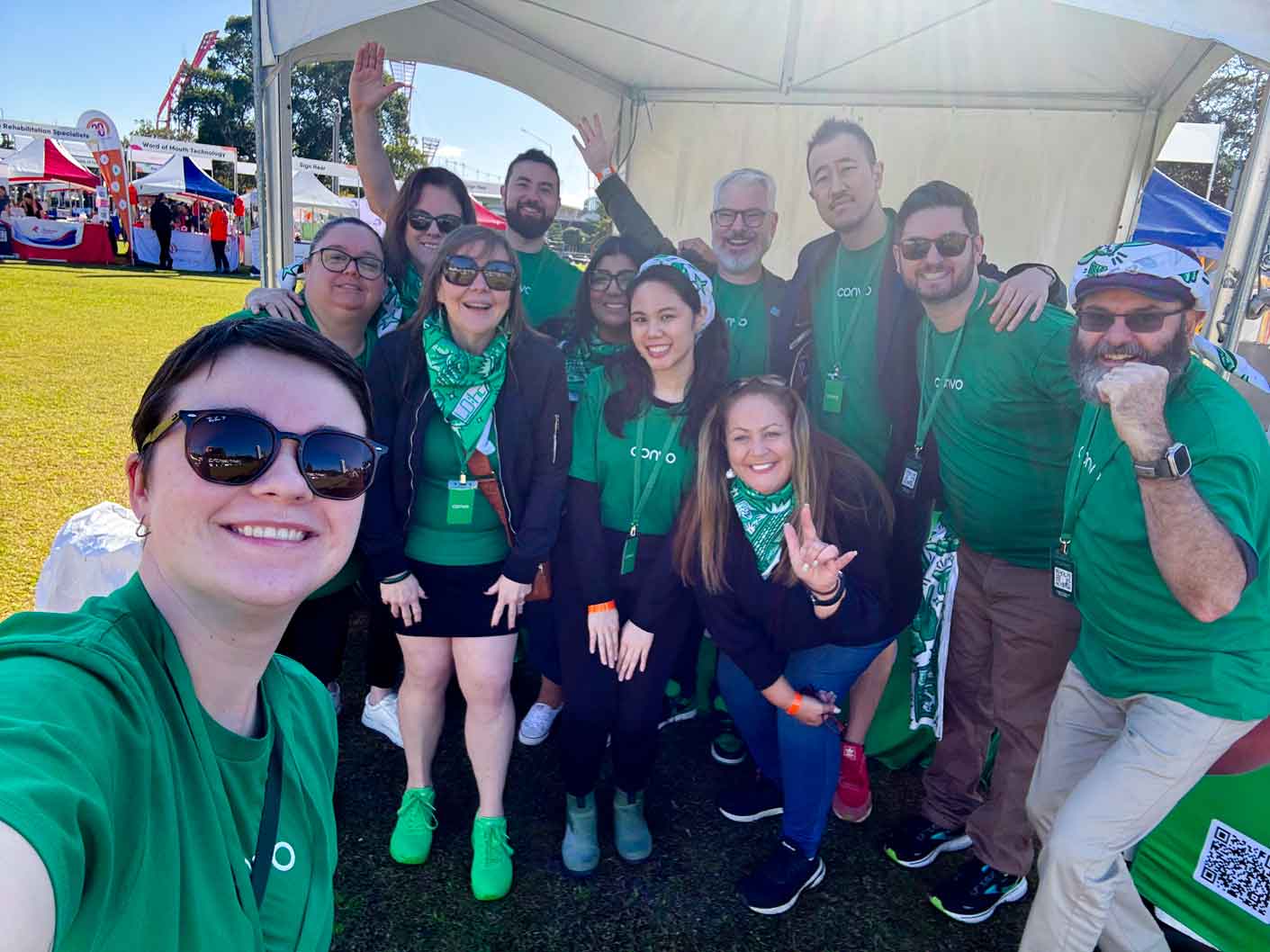
The UK Prime Minister stopped to talk. Nobody had booked a BSL interpreter.
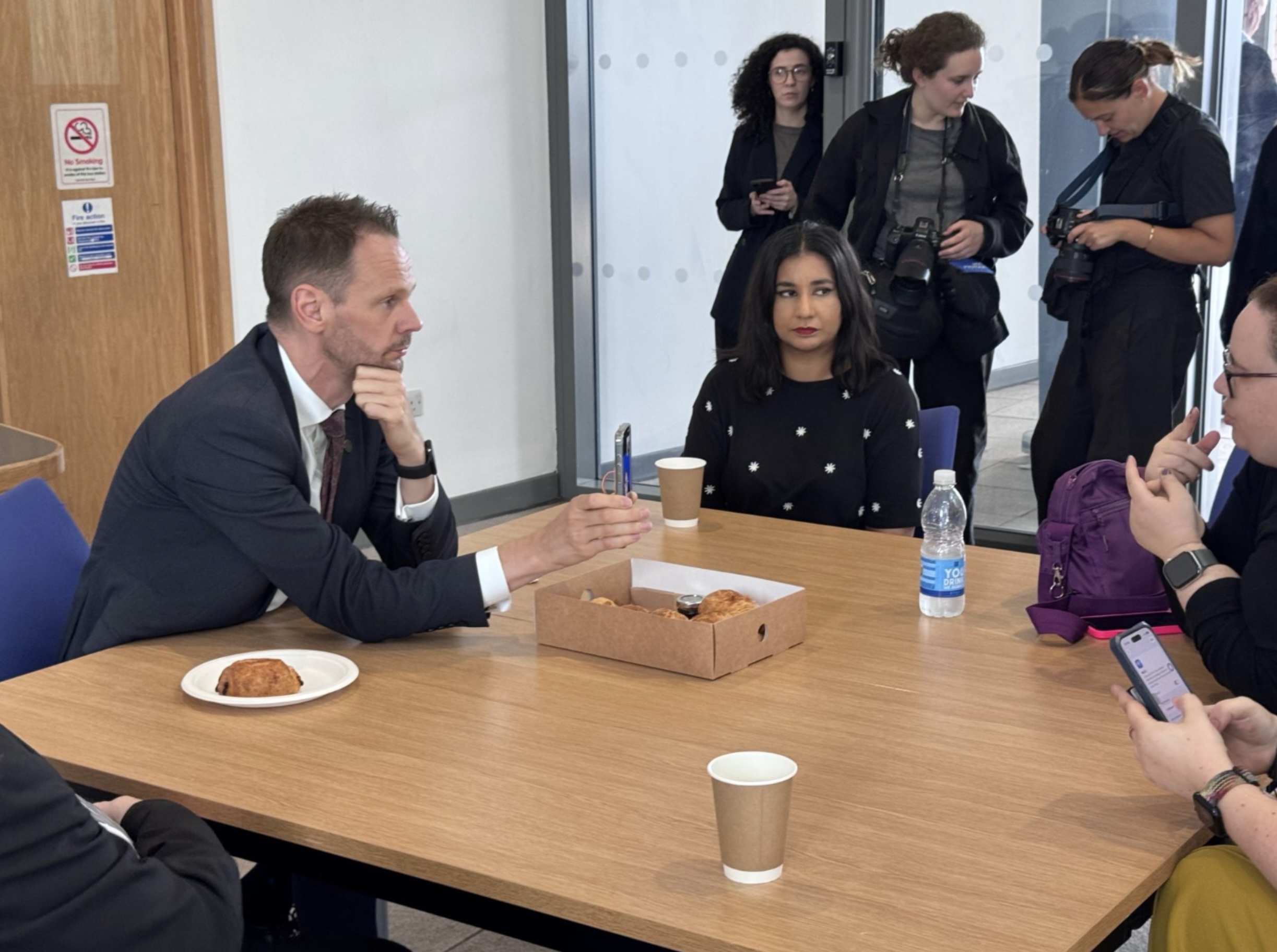
A transport forum hosted by the West Midlands Combined Authority. The UK Prime Minister turns up unannounced and starts talking to people in the room.
A deaf attendee wants to be one of them. There are no interpreters on site. Nothing was booked, because nobody knew this was going to happen.
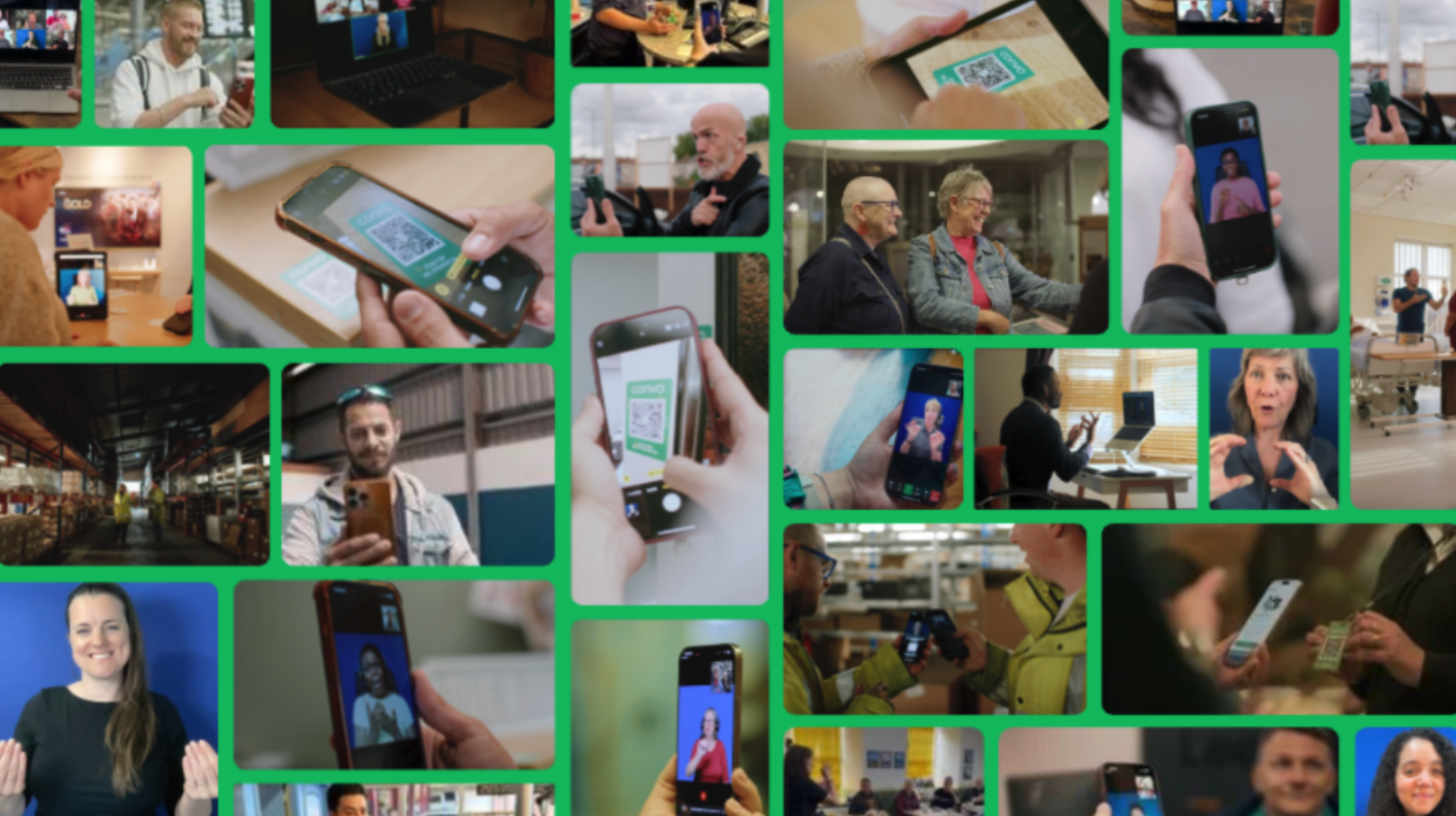
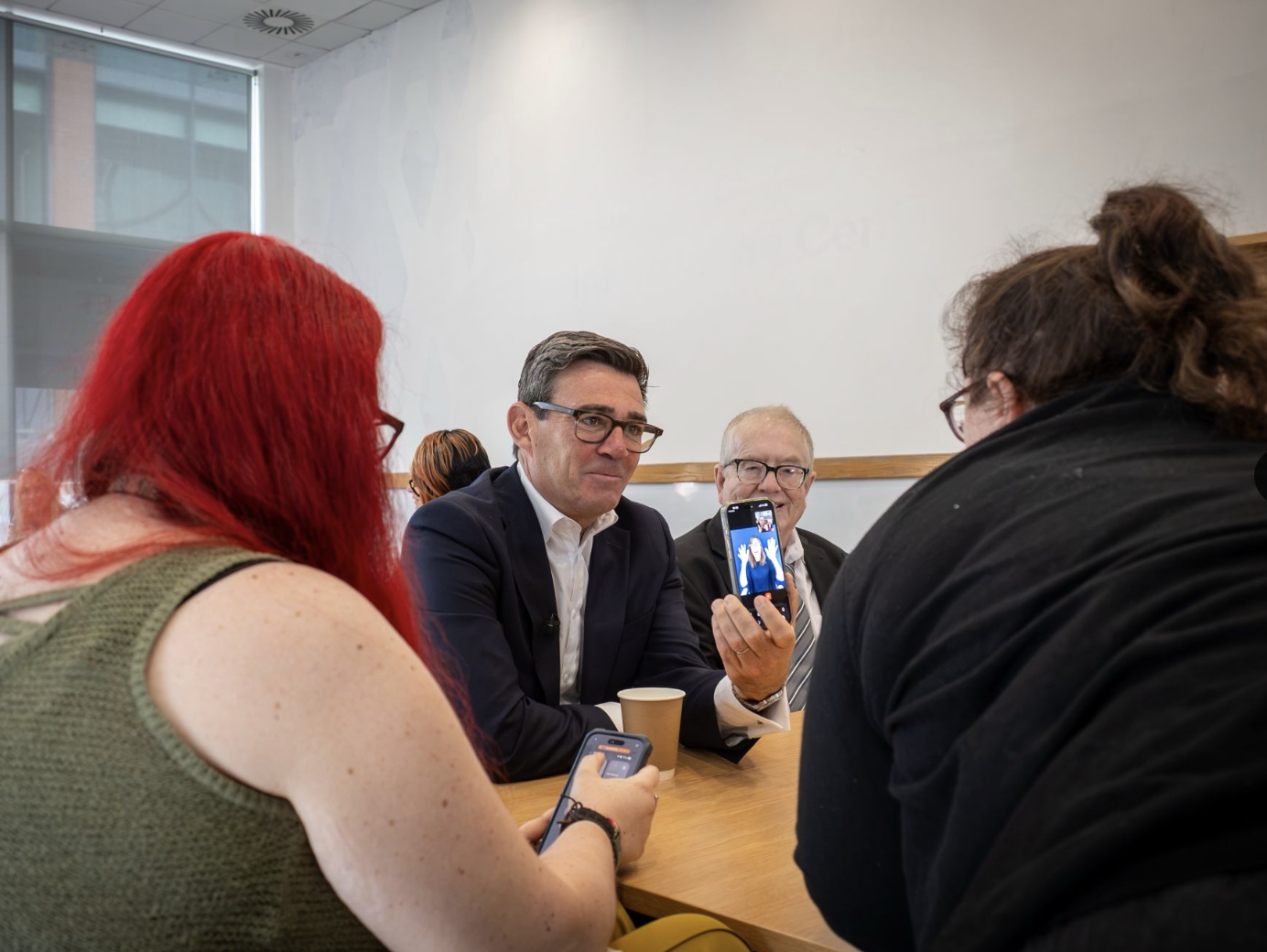
They scan a QR code on Dr Mark Fosbrook's lanyard. Georgina Lewis appears on screen as their BSL interpreter. They have the conversation, in the moment, like everyone else in the room.
Afterwards the deaf attendee got in touch to tell us what it had meant. The word they used was "lifesaver."
.png)
What was actually in the room
If you look at the photos from the day, you will spot Dr Mark Fosbrook wearing a lanyard with a QR code on it. That lanyard is Convo Access.
There is no app to download. No account to create. No login. A deaf person scans the code with their phone camera and is connected to a BSL interpreter in a browser. The organisation hosting the event pays for it. The deaf person just communicates.
That is the whole product. It is deliberately unremarkable, because the point is not the technology. The point is that a deaf person walking into a room does not have to do any administrative work before they can talk to someone.
Why the unplanned part matters
Most interpreting is booked. You know the meeting, you know the time, you request an interpreter, and if the request goes in early enough and someone is free, you have access.
That system works for the parts of a day you can predict. It does not work for the rest of it. The corridor conversation. The person who turns up. The five minutes with someone you did not expect to meet.
Those unplanned moments are usually where the interesting things happen. They are also, almost always, exactly where access disappears.
A booking system cannot reach a conversation with the Prime Minister that nobody knew was going to happen. A QR code on a lanyard can.
Access that is already there
The measure of good access is not how well it handles the scheduled parts of the day. It is whether it is still there when the day does something unexpected.
For one deaf attendee at a transport forum by the West Midlands Combined Authority, it was.
Thanks to Georgina Lewis for interpreting, and to Dr Mark Fosbrook for wearing the lanyard that made it possible.
Convo Access puts an interpreter behind a QR code, with no app and no account for the deaf person.
If your organisation runs public-facing spaces or events, get in touch.
United Kingdom
Canada and United States
Australia